
Fit News

Creek Fit News - May 2026
From Cramps to Comfort: A Woman’s Guide to Period Pain
“Is it that time of the month?” A question that teenage girls and women alike are used to hearing when dealing with discomfort. Period pain, also known as Dysmenorrhea, is caused by the contraction of the uterine lining as it sheds. It is often accompanied by symptoms of bloating, nausea, aches, mood swings, back pain, fatigue, and many more. Although these symptoms are a normal part of menstruation, they can be more manageable with a healthy balanced diet, regular exercise, and self-care habits.
Foods to avoid on your period according to Very Well Health
During menstruation, it is best to avoid foods high in sodium, caffeine, sugar and carbs, alcohol, fried fatty food, red meat, and spicy foods as these can worsen symptoms over time.
- High sodium foods- Causes water retention, bloating, and increased cramps. E.g. Instant noodles, pizza, chips, and processed meats
- Caffeine- Causes blood vessels to narrow, increase headaches, pelvic pain, and dehydration. E.g. Coffee, Energy drinks, and Soda
- Sugar and Carbs- Causes blood sugar spikes, irritability, fatigue, and mood swings. E.g. Candy, donuts, pasta, and white rice
- Alcohol-Increases dehydration, cramps, headaches, and bloating.
- Fatty Fried Foods- Increases inflammation, digestion issues, cramps, and bloating. E.g. Fried chicken, French fries, Tater tots, and Chicken tenders
- Red Meat- Excessive amounts can cause inflammation and worsen cramps due to it containing prostaglandins which can potentially lead to endometriosis.
- Spicy Foods- Can lead to an upset stomach, nausea, and diarrhea. E.g. Jerk Chicken, Jalapenos, Spicy chips, and Curry.
Foods to consume on your period
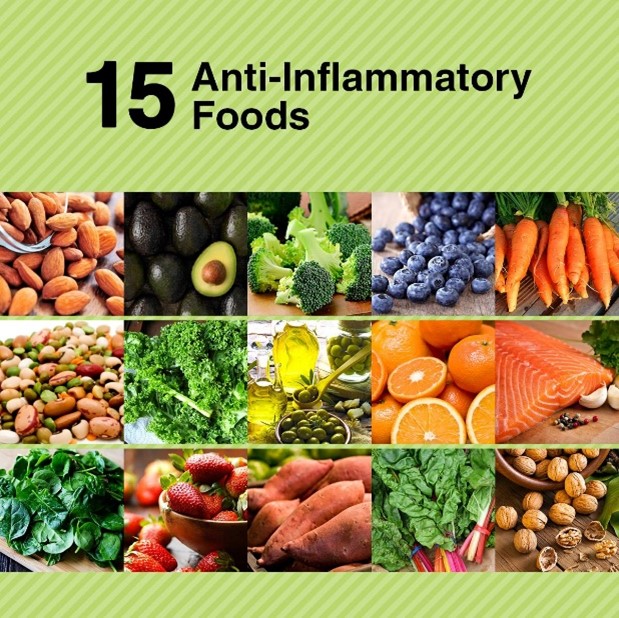
According to the Cleveland Clinic and Very Well Health, incorporating an anti-inflammatory diet is an effective way to reduce inflammation and ease menstrual-related symptoms. It is also proven to ease pain to those dealing with PCOS. Consuming foods rich in fiber, omega-3 fatty acids, antioxidants, calcium, iron, and vitamins B, C, D, and E are known to increase energy levels, improve digestion, and aide in hormonal balance. With the help of these nutrient-rich foods, your cycle is set to go on as smoothly as possible.
- Omega-3 Fatty Acids- Are known to reduce cramps, ease symptoms of PMS, improve mood, and decrease feelings of anxiety and depression. E.g. Salmon, Sardines, Chia Seeds, Flax Seeds, and Walnuts
- Leafy Green Vegetables- Rich in iron, fiber, calcium and magnesium. Aids in preventing fatigue, bloating, cramping, improves mood, and digestion. E.g. Spinach, Kale, and Collard greens
- Whole grains- A great source of fiber that helps relieve digestion issues and bloating while also regulating energy and stabilizing blood sugar levels. Whole grains are also rich vitamin B, magnesium, and iron which also ease menstrual cramps. E.g. Oatmeal, Whole Wheat bread, Quinoa, and Brown rice.
- Fruits rich in antioxidants- Primary antioxidants such as vitamins C and E play a critical role in alleviating symptoms. They aide in hormonal balance, reduce cramps, fatigue, stress, and bloating. E.g. Berries, Pineapple, Citrus fruits, Bananas, Apples, and Grapes
Additionally, staying hydrated is another good way to lessen period pain all throughout your cycle.
Exercise and Other Self-Care Habits
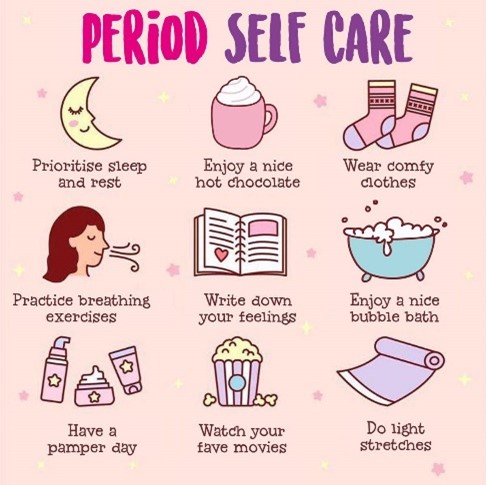
According to Welltech, exercising helps reduce cramping by releasing endorphins and increasing blood flow to the pelvic region. Many doctors and physicians recommend women to incorporate light exercises such as walking, jogging, yoga, low intensity weight training, pilates, etc., to lower the intensity of period symptoms. Just like a healthy diet, exercise can improve one’s mood, decrease water retention and bloating, and improve energy levels with the release of hormones such as endorphins, serotonin, dopamine, norepinephrine, and cortisol. Nonetheless, it’s an excellent boost to fuel both your physical and emotional wellbeing.
It is also important as women to take care of ourselves when going through this rough patch. It is ok to take a breather and spend some time with yourself or loved ones. This includes meditation, listening to music and/or audiobooks, cleaning, reading, watching tv, journaling, drawing, face masks, massages, heating pads, sleeping (7-8 hours), and many more. These activities can have immense effects on your brain chemistry and how you perceive the world around you. According to the Mayo Clinic, these practices are linked to an increase in productivity and mental clarity, reduced levels of stress, depression and anxiety and negative thinking.
In conclusion
In conclusion, managing period pain through a healthy diet, exercise, and self-care practices allows women to take back control of their bodies and become more knowledgeable of their overall health and well-being.